Du Noüy ring
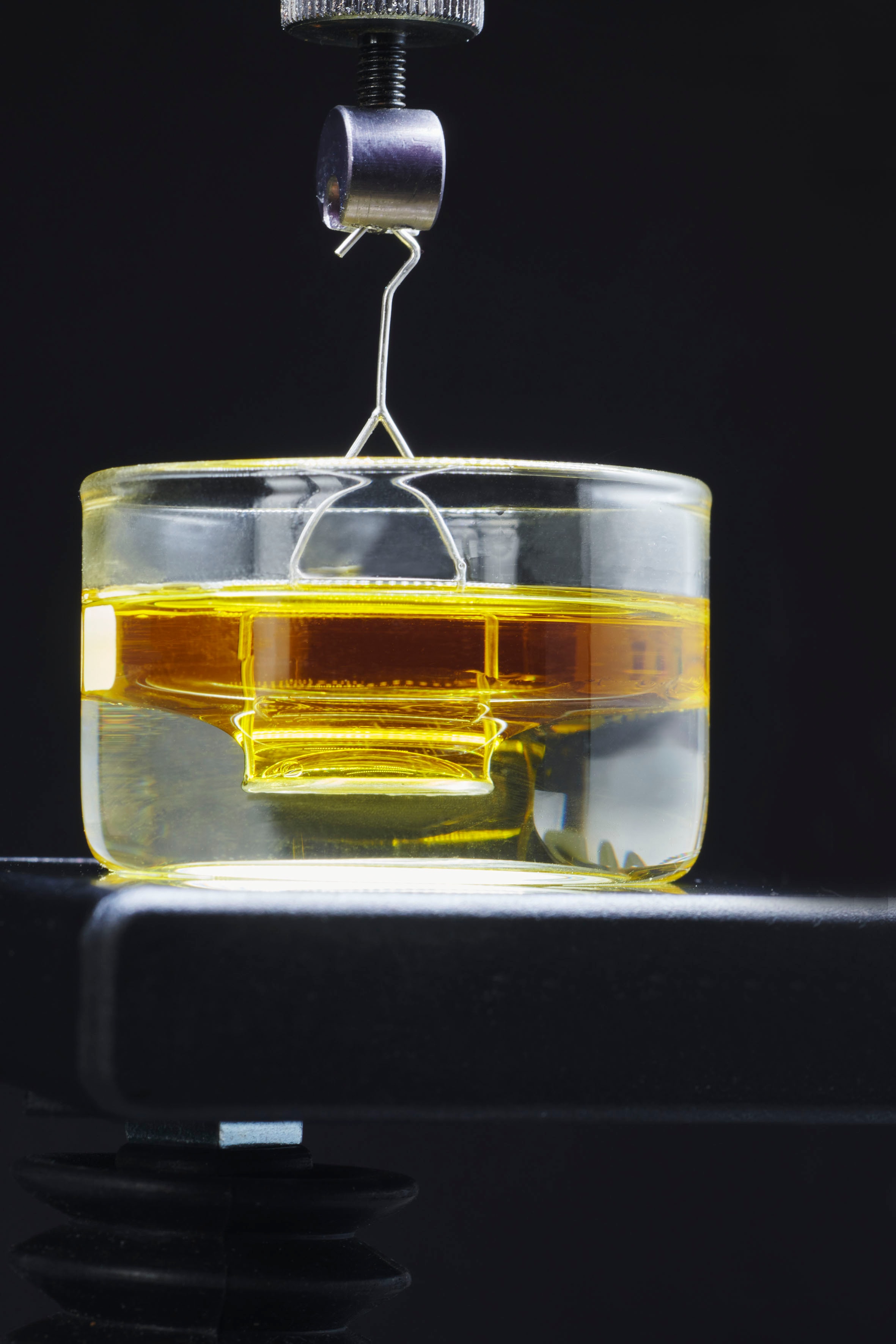
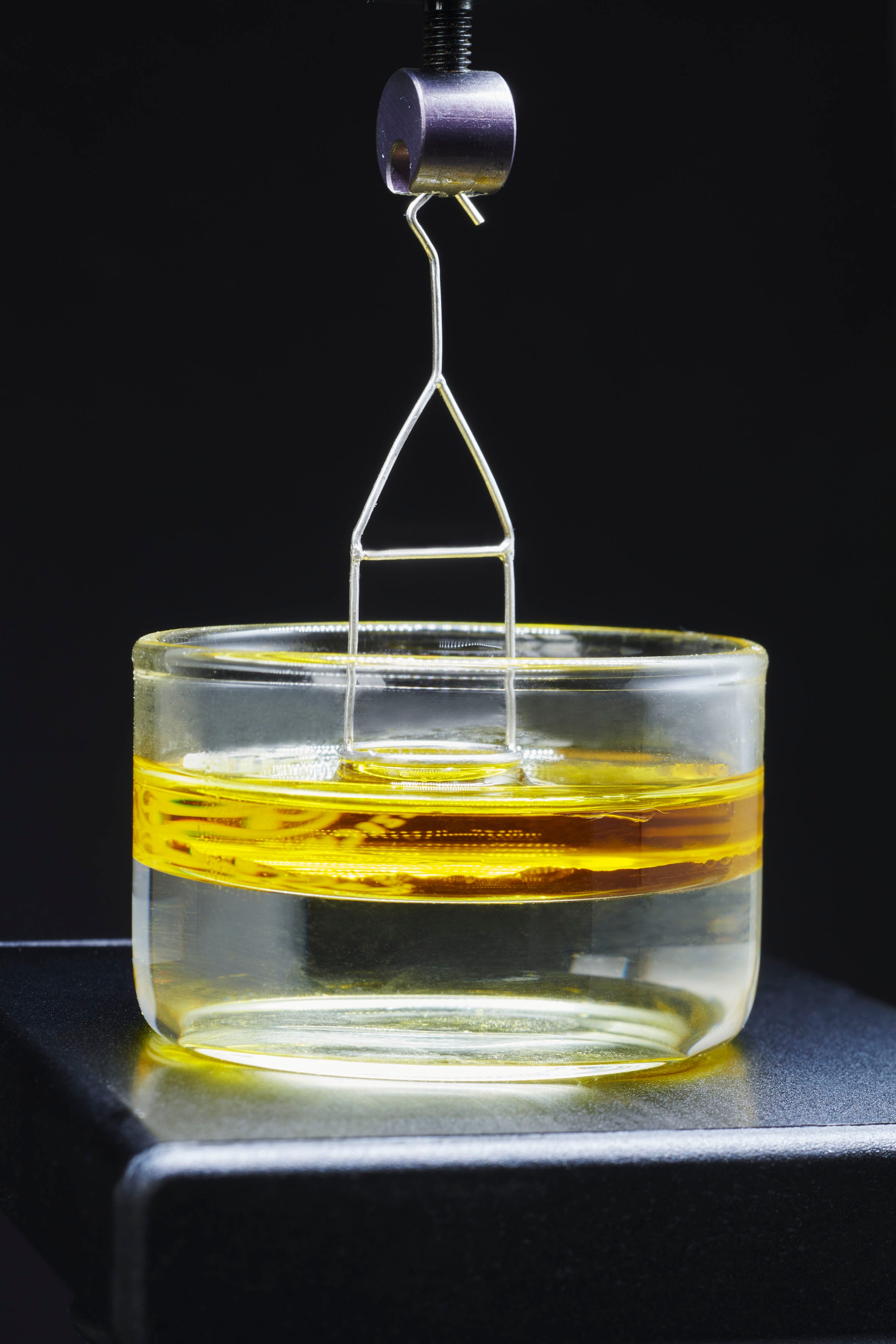
A platinum ring is immersed in the interface and pulled upward; the maximum force it carries gives the interfacial tension.

Surface Chemistry
3S tensiometers measure the surface tension of liquids and the interfacial tension between two immiscible phases — the numbers that decide whether an emulsion holds, a coating spreads and a formulation stays stable.
Request a quote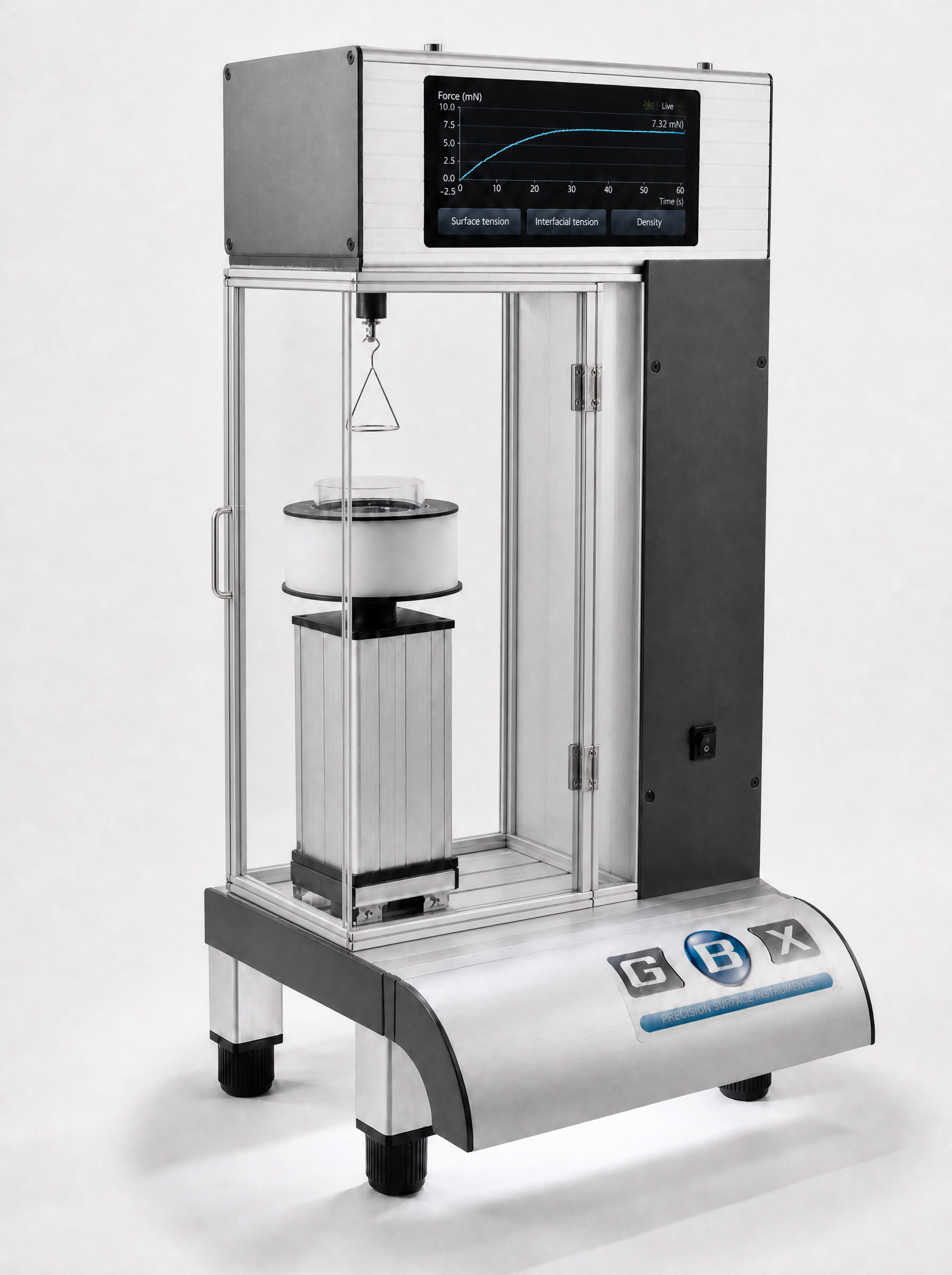
Wherever two immiscible phases meet — oil and water, liquid and air — an invisible force acts along the boundary, pulling it taut. That force is the interfacial (or surface) tension, and it governs how emulsions form, how droplets behave and whether two phases separate.
A low interfacial tension means the phases mix readily and the formulation stays stable; a high tension means they resist each other and separate. Surfactants, emulsifiers, petrochemical formulations and pharmaceutical suspensions are all qualified this way, whether the goal is mixing, stability or performance.
3S instruments measure this tension directly, with the force balance and automated probe handling turning a classical method into a repeatable laboratory routine — surface tension in air or interfacial tension between two liquids, on the same platform.
A platinum ring is immersed in the interface and pulled upward; the maximum force it carries gives the interfacial tension.
A plate dipped in the liquid measures the force exerted along the contact line — a steady, continuous reading.
The shape of a hanging drop, analysed by curve fitting, yields surface and interfacial tension from microlitre samples.
Measuring tension against surfactant concentration reveals the CMC — the point where formulations start behaving as micelles.
Close-up views of the measurement probes in action — the platinum Du Noüy ring and the Wilhelmy plate at work on real samples.
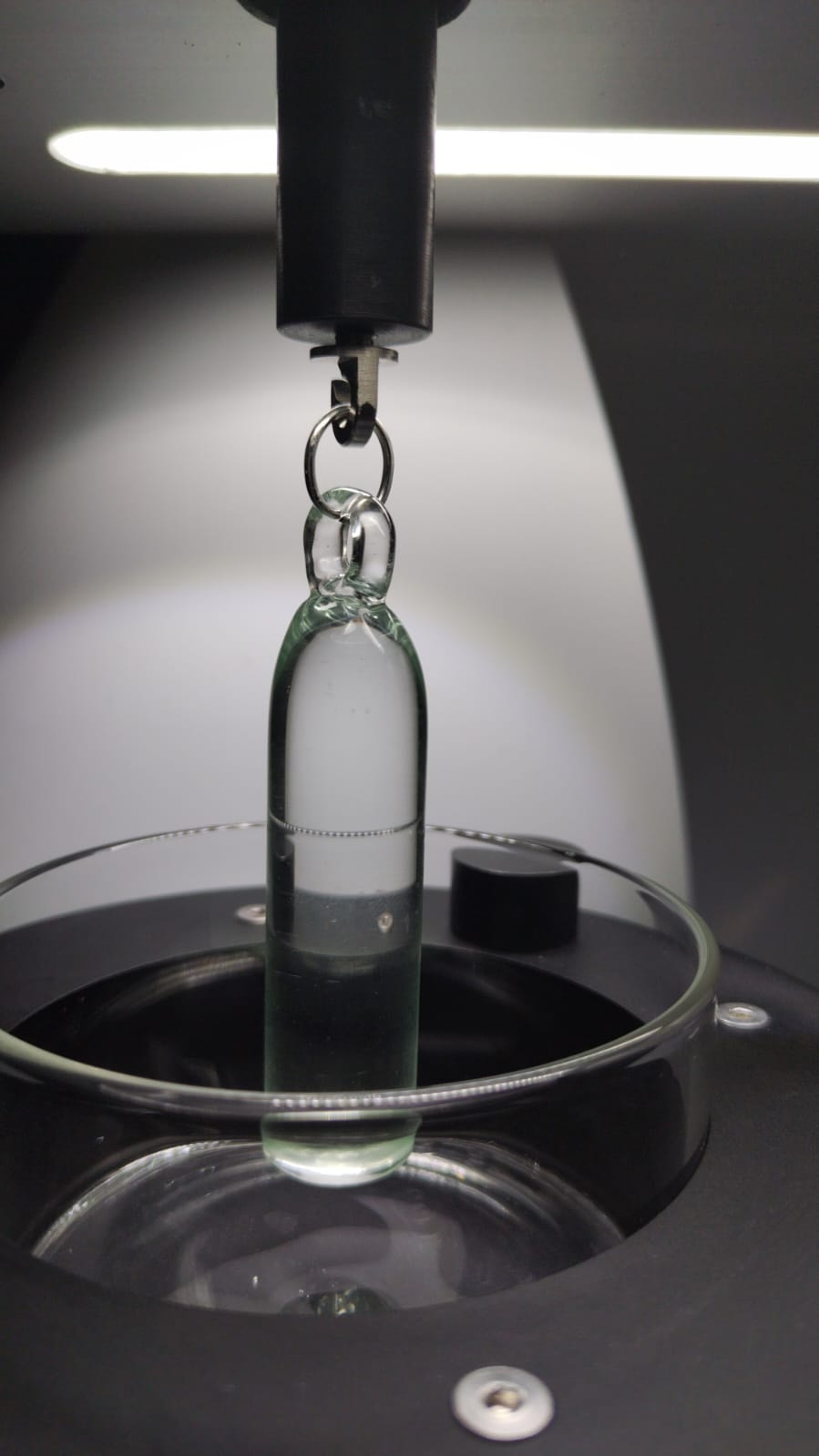
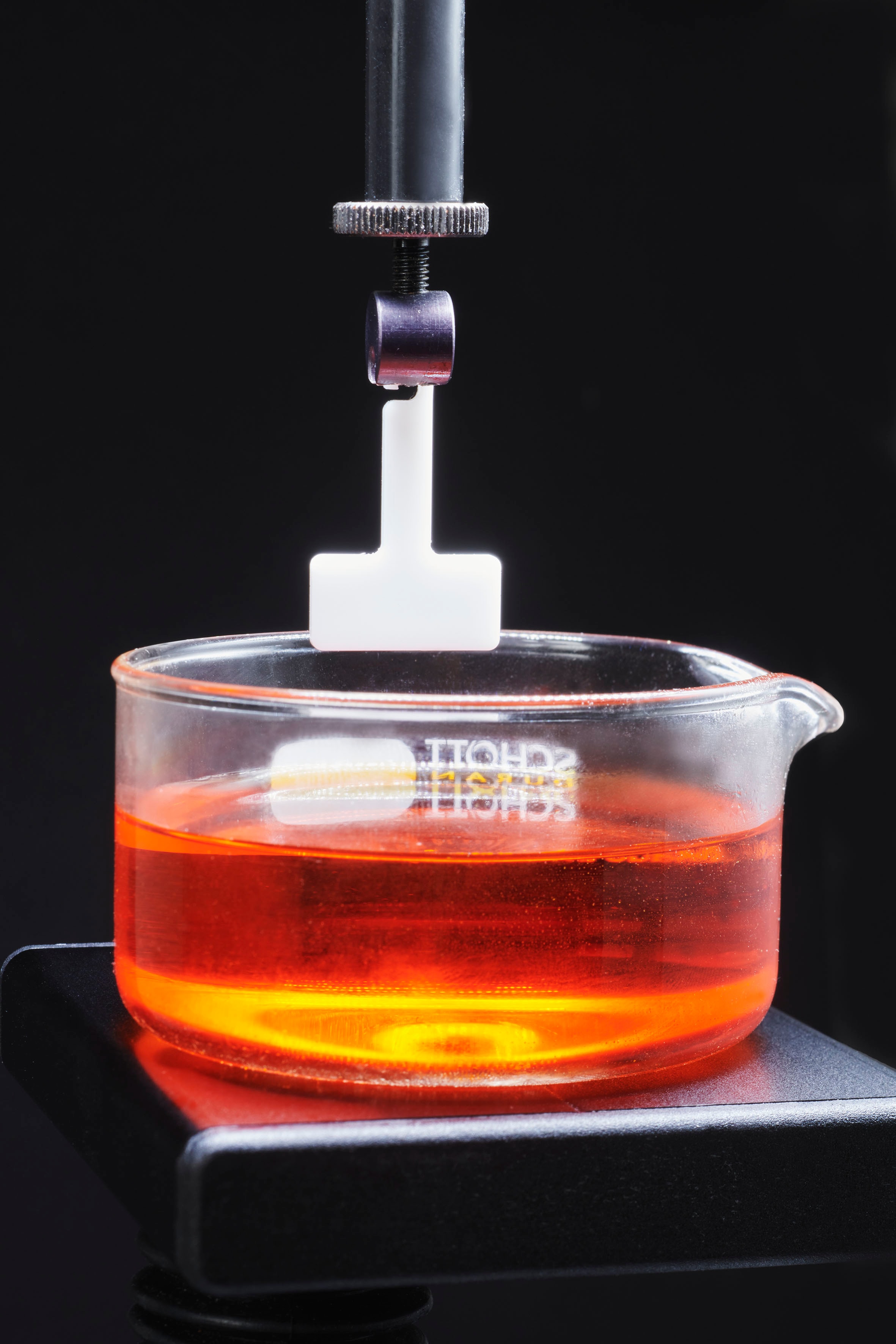
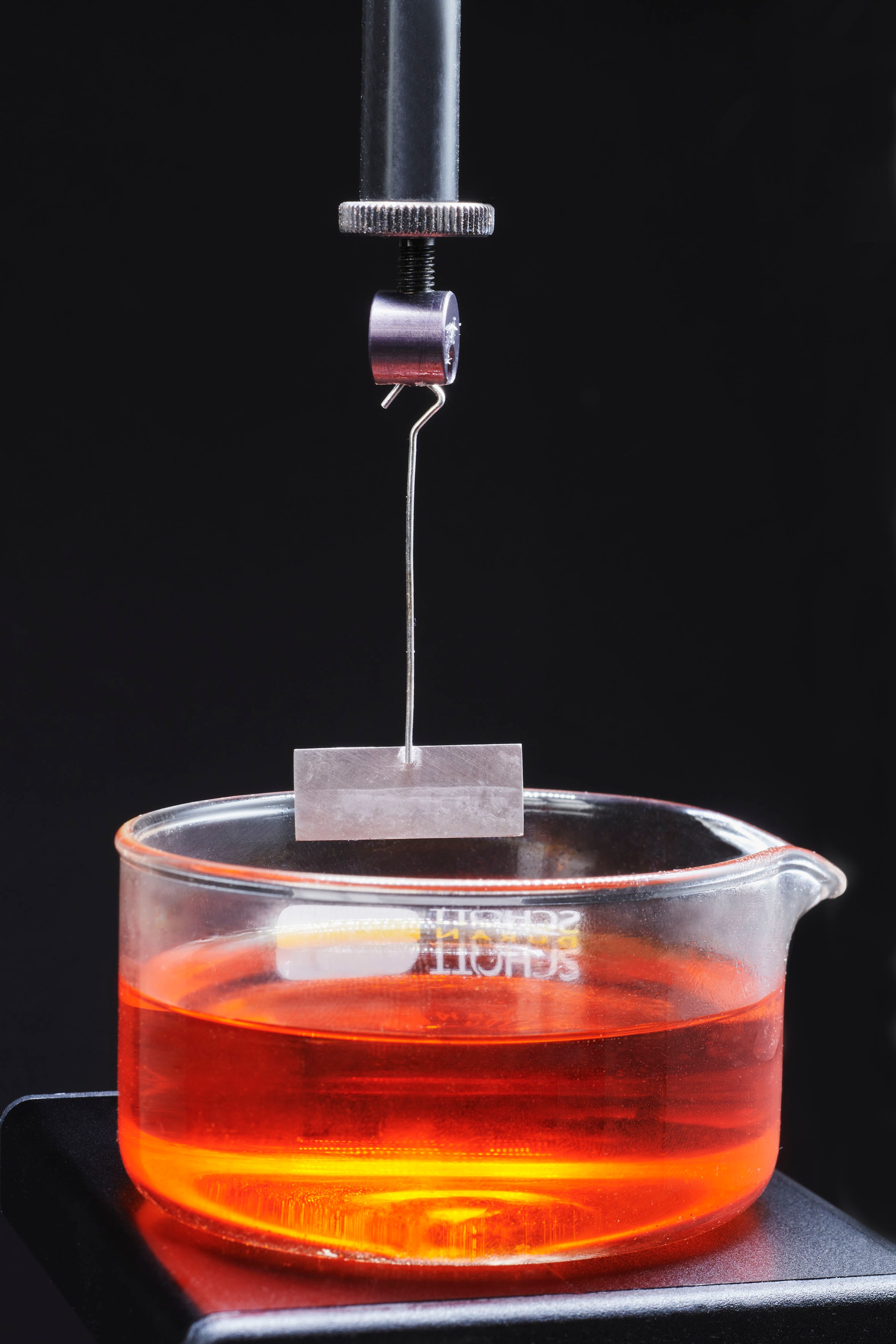
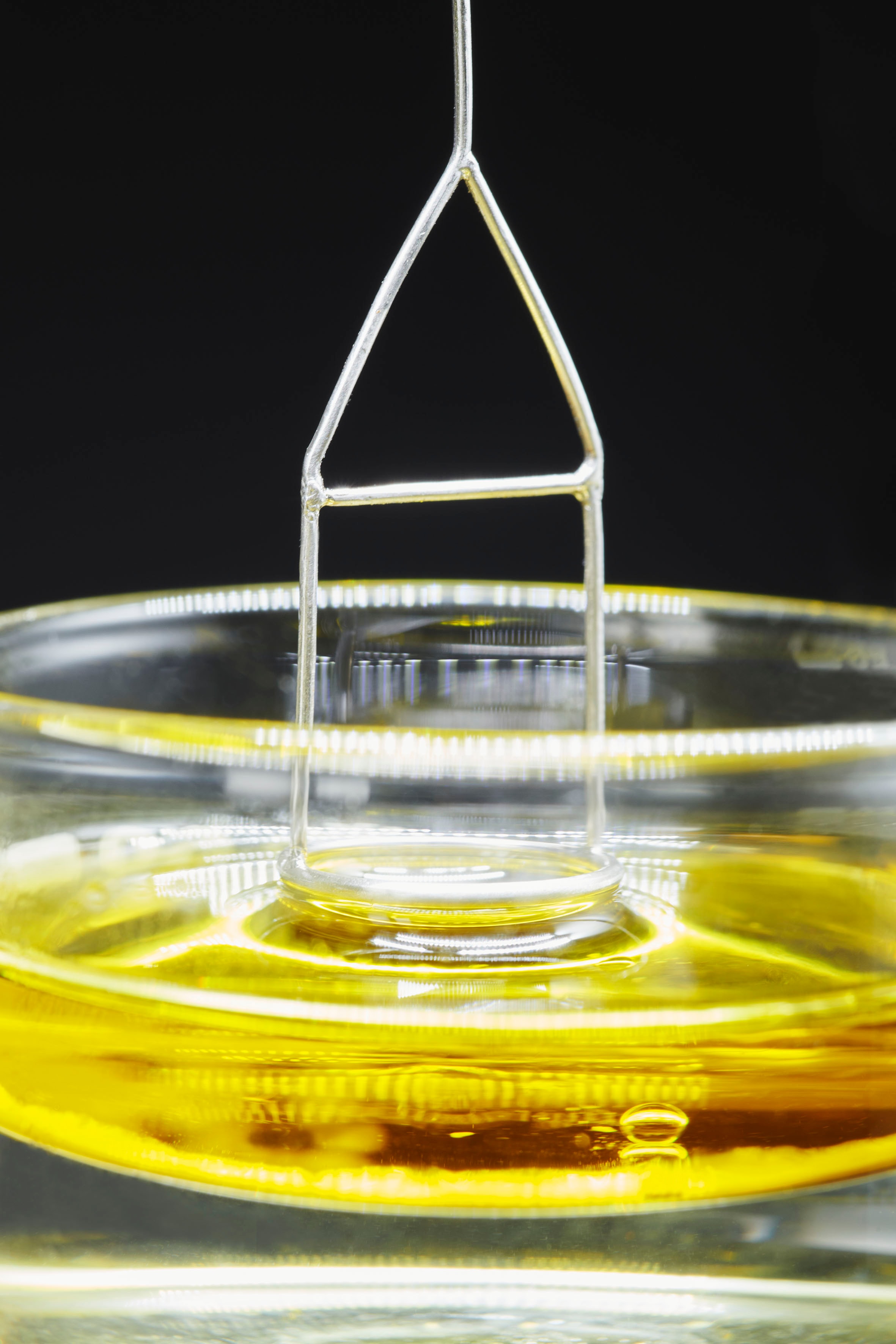
The 3S family covers three models — the 3S, the 3S-I and the 3S-R&D — all built on the same precision force-balance platform.
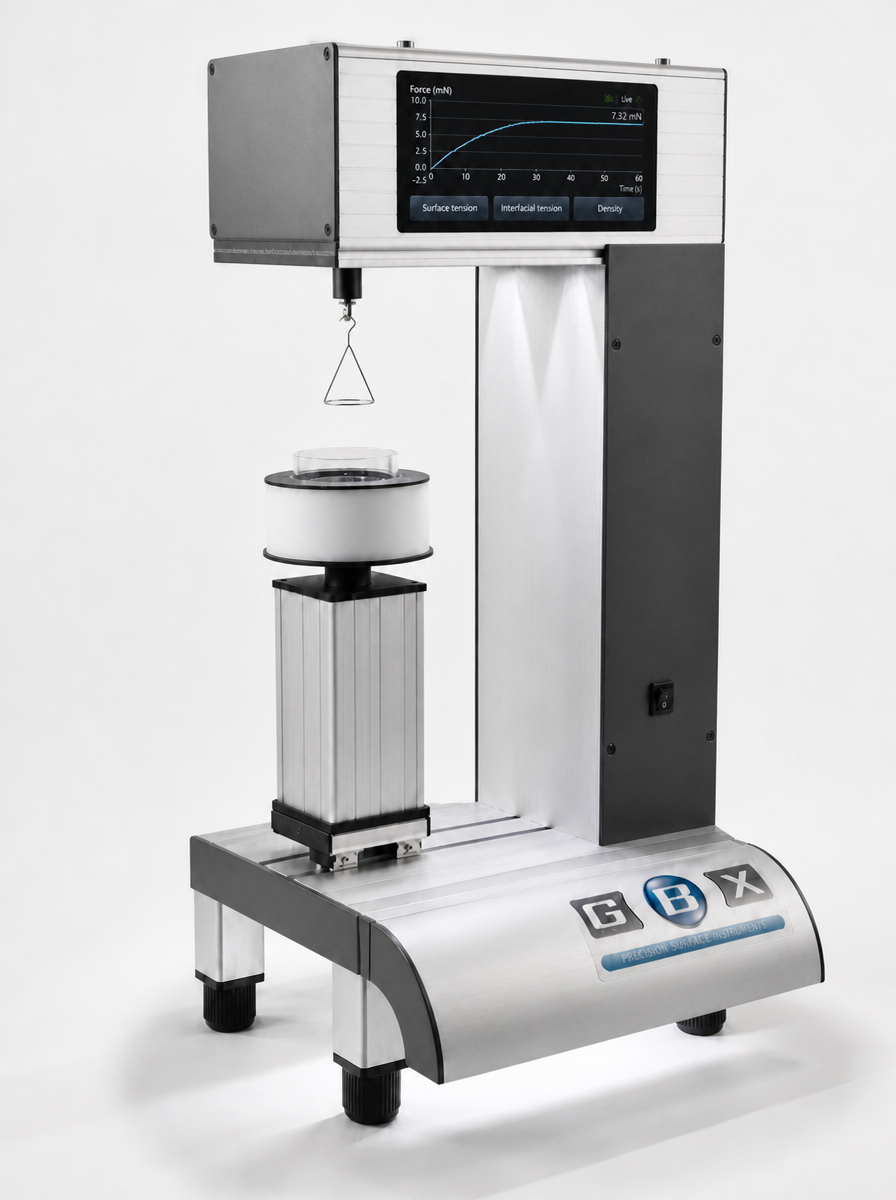
The high-performance tensiometer with touchscreen control for surface tension, interfacial tension and density.
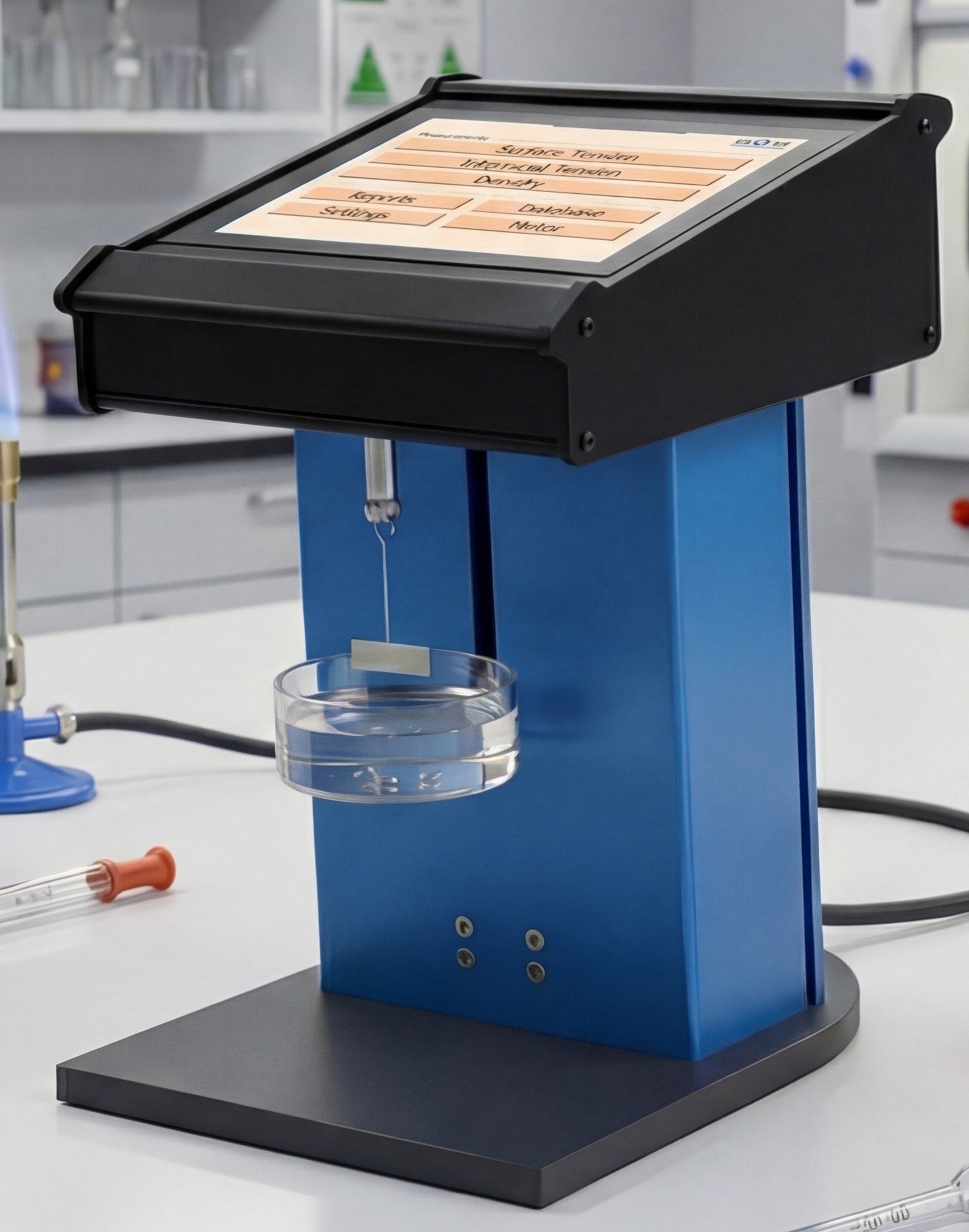
The compact model for routine surface and interfacial tension measurements in the laboratory.
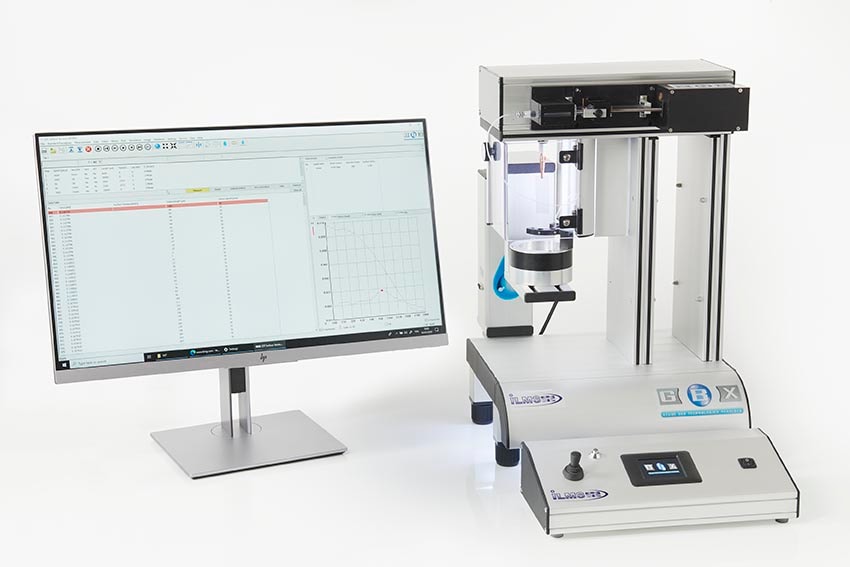
The research model of the range, for advanced measurement work.
Looking for contact angle? See the contact angle page.
A precision balance resolves the small forces at the interface, so surface and interfacial tensions are read with confidence.
Motor-driven immersion, detachment and correction in one run — repeatable results without a manual touch.
Wilhelmy plate and pendant drop techniques extend the same platform to different sample types and volumes.
Controlled sample temperature keeps viscosity and density stable, so the measurement reflects the interface, not the drift.
Step-by-step acquisition with automatic corrections, CMC tracking and results ready for export.
Emulsions, petrochemicals, surfactants, coatings and pharmaceuticals — wherever formulation stability decides quality.
Interfacial tension
Tell us about your samples and your measurement goals — our team will recommend the right tensiometer configuration and come back to you with a tailored quote.
Phone: +353 15134137
info@gbxonline.comThis site is protected by reCAPTCHA and the Google Privacy Policy and Terms of Service apply.